
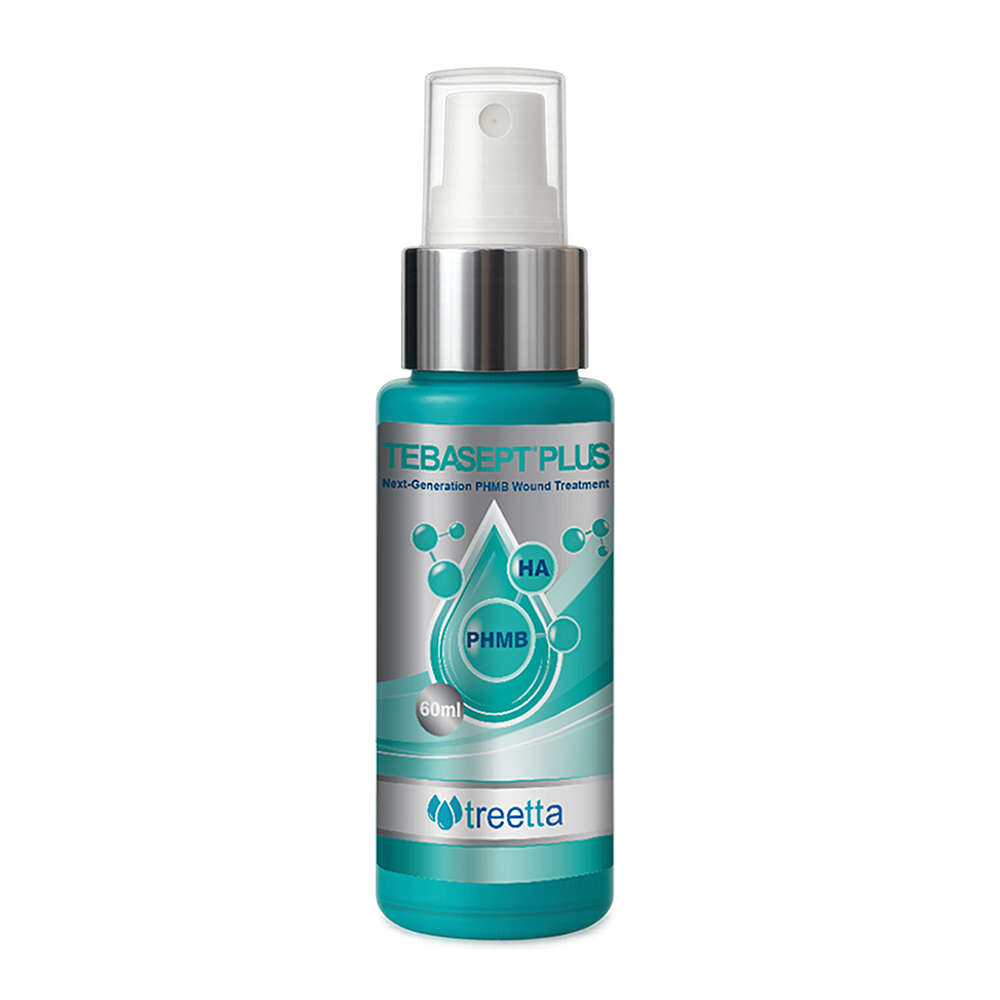
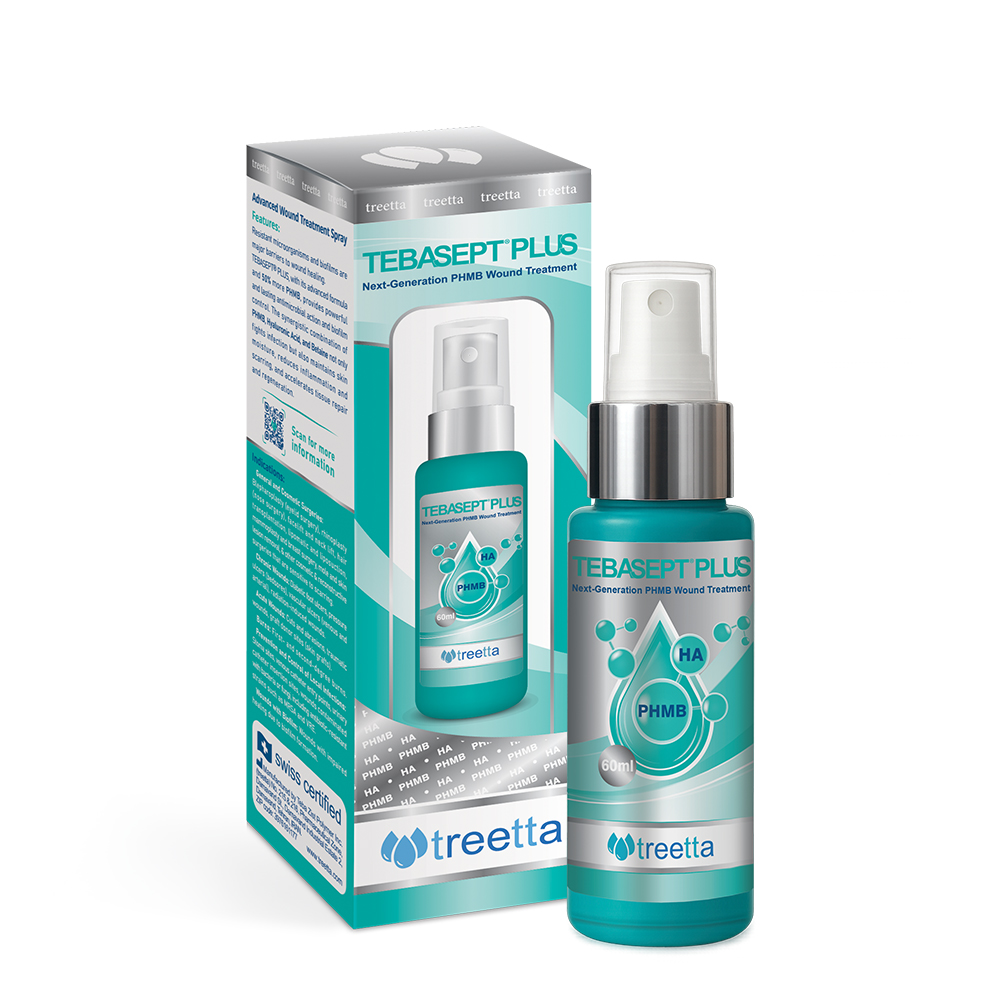


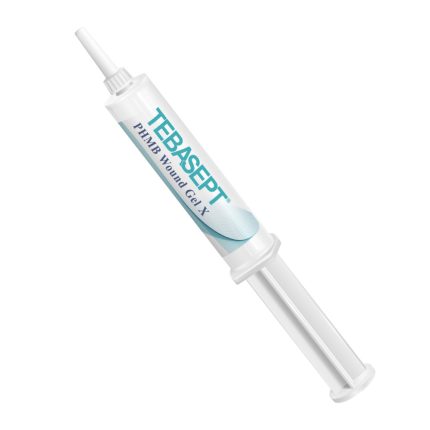
TEBASEPT®Plus
Resistant microorganisms and biofilms are major barriers to wound healing. TEBASEPT® PLUS, with its advanced formula and 50 % more PHMB, provides powerful and lasting antimicrobial action and biofilm control.
+Supports Natural Skin Regeneration
+Inflammation Control
+Provides Intense Hydration
+Reduces the Risk of Hypertrophic and Keloid Scars
+Helps Remove and Prevent the Formation of Biofilm
TEBASEPT®Plus
PHMB + Hyaluronic Acid Wound Treatment
Bi-Functional Formulation: Antimicrobial and
Tissue-Regenerating Action
Resistant microorganisms and biofilms are major barriers to wound healing. TEBASEPT® PLUS, with its advanced formula and 50 % more PHMB, provides powerful and lasting antimicrobial action and biofilm control. The synergistic combination of PHMB, Hyaluronic Acid, and Betaine not only fights infection but also maintains skin moisture, softness, reduces inflammation and scarring, and accelerates tissue repair and regeneration 1, 2.
Hyaluronic Acid (HA) is a key component of the extracellular matrix and over 50 % of the body’s HA found in the skin. It supports all stages of wound healing by regulating inflammation, promoting tissue regeneration and angiogenesis, aiding proper wound closure, and helps reduce scarring by increasing TGF-β3 expression 3.
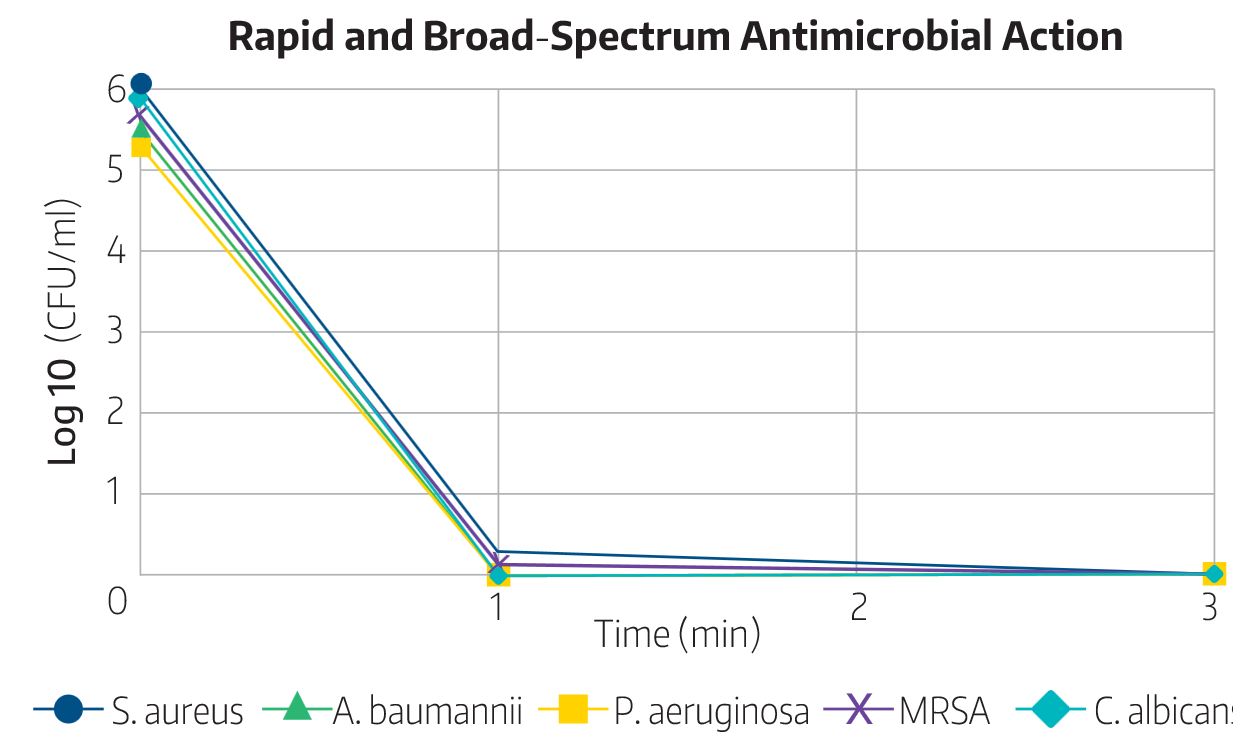
Rapid and Broad-Spectrum Antimicrobial Action
Figure 1: TEBASEPT® PLUS quickly targets S. aureus, A. baumannii, P. aeruginosa, MRSA, and C. albicans. Complete elimination in just 3 minutes fast, powerful, and broad-spectrum protection.
Biofilm Reduction within 48 Hours
Figure 2: TEBASEPT® PLUS effectively reduced multispecies biofilms including S. aureus, A. baumannii, P. aeruginosa, and S. pyogenes, demonstrating effective removal after 48 hours.
Indications
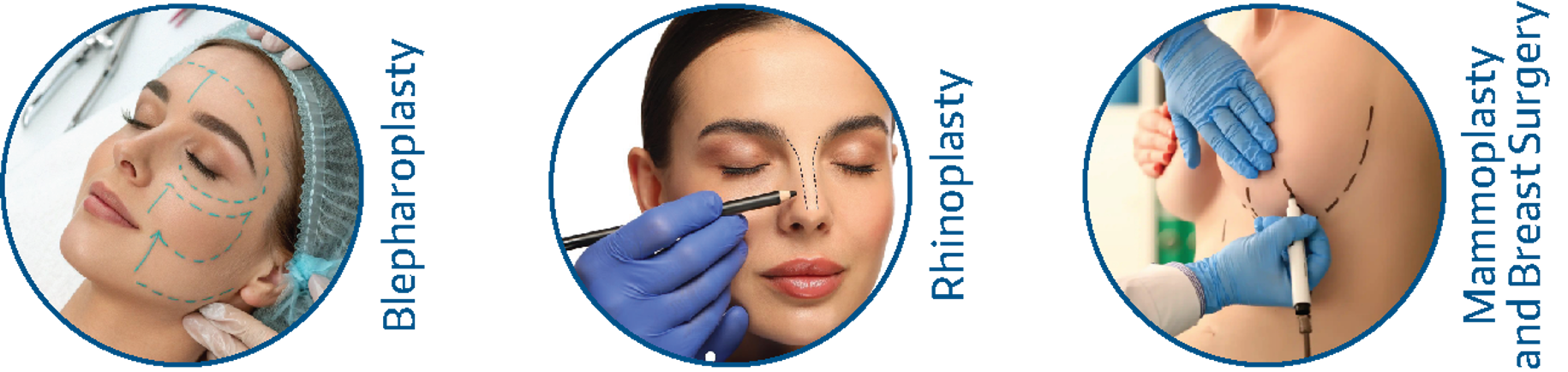
▪ General and Cosmetic Surgeries: Blepharoplasty, rhinoplasty, facelift and neck lift, hair transplantation, lipomatic and liposuction, mammoplasty and breast surgery, mole and skin lesion removal, and other cosmetic and reconstructive surgeries that are sensitive to scarring.
▪ Chronic Wounds: Diabetic foot ulcers, pressure ulcers, vascular ulcers, radiation-induced wounds.
▪ Burns: First- and second-degree burns.
▪ Acute Wounds: Cuts and abrasions, traumatic wounds, graft donor sites.
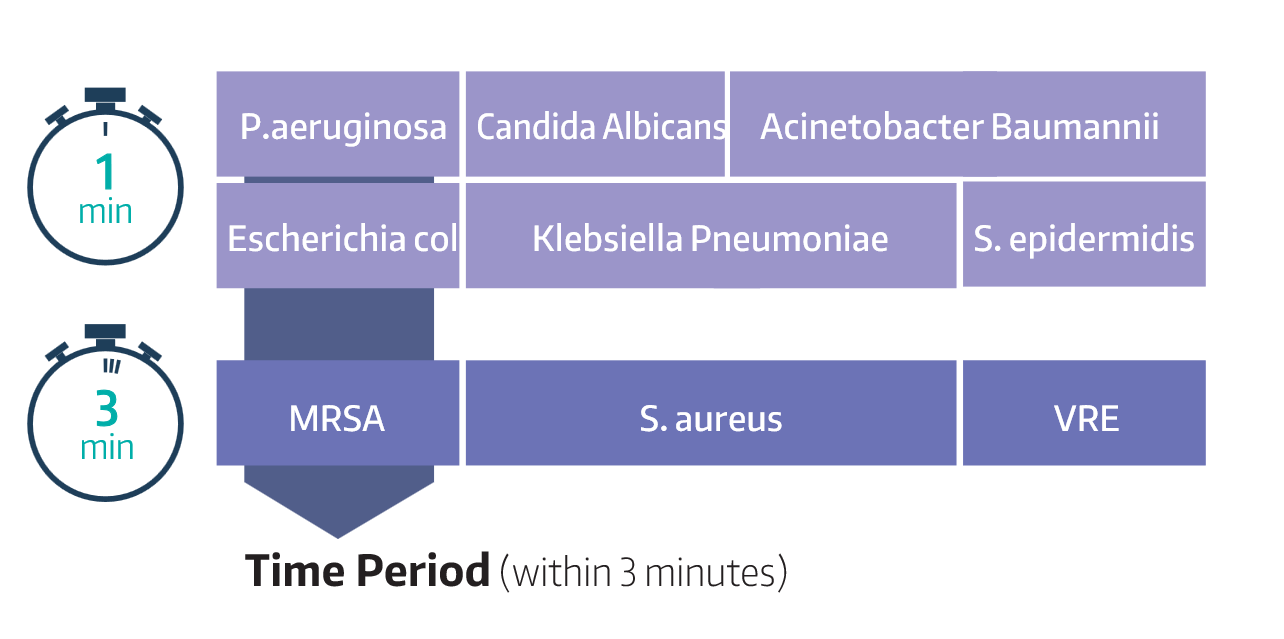
▪ Prevetion and Control of Local Infections: Stoma sites, venous catheter entry points, urinary catheter insertion sites, wounds contaminated with bacteria or fungi, including antibiotic-resistant strains such as MRSA and VRE.
▪ Wounds Containing Biofilm: Wounds with impaired healing due to biofilm formation.
Related products
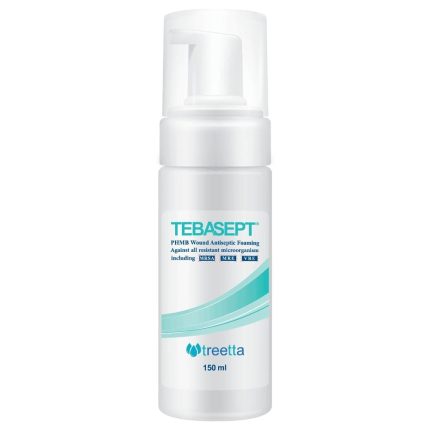
PHMB Wound Antiseptic Foaming

TEBASEPT – Advanced Wound Healing Gel
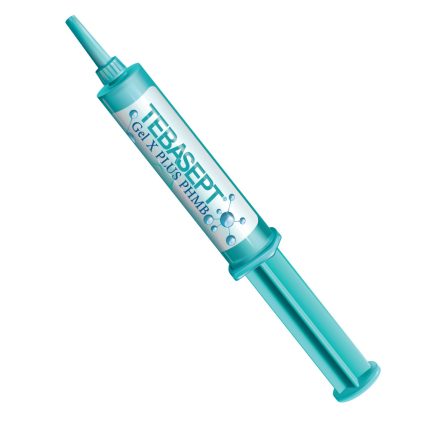
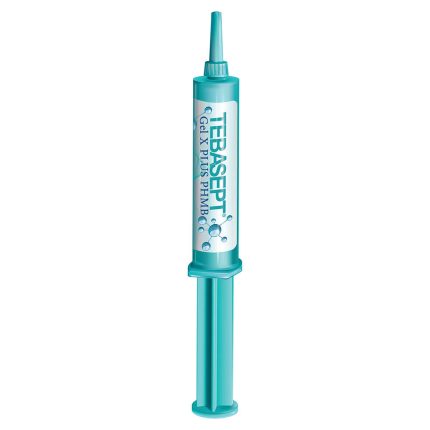
TEBASEPT – Gel X Plus PHMB
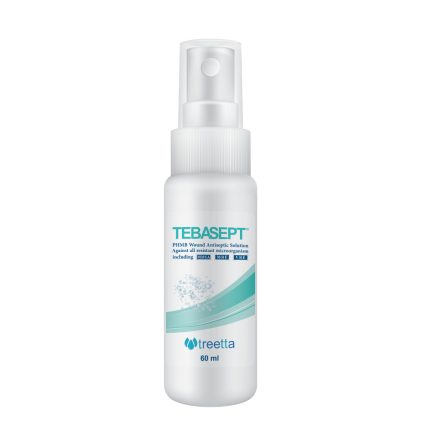
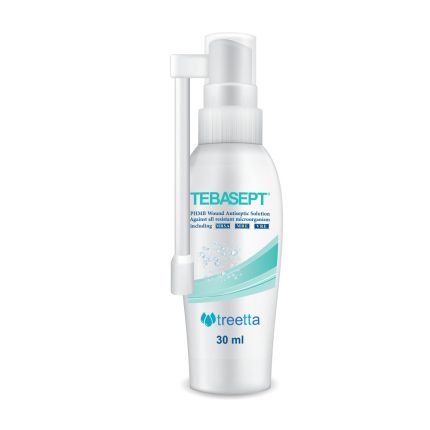
TEBASEPT – PHMB Antiseptic Solution


Reviews
There are no reviews yet.